
What Questions Should You Ask a Custom Home Builder Before Signing a Construction Contract?
Before signing a custom home construction contract, homeowners should ask about the total project cost, payment schedule, construction timeline, change orders, warranties, insurance coverage, and communication expectations. They should also understand what is included in the contract, how unexpected expenses are handled, and what happens if construction is delayed. Clear answers help protect your investment and establish expectations before building begins.
Building a luxury custom home is an exciting opportunity to create a residence that reflects your lifestyle, personal taste, and long-term goals. However, choosing the right builder involves more than reviewing beautiful homes and architectural designs. The construction contract establishes the foundation for your entire building experience.
At J. Lambert Custom Homes, the focus is on creating exceptional custom residences with careful attention to craftsmanship, architectural details, and each homeowner’s vision. Understanding the questions to ask before signing a construction agreement can help you approach the process with confidence. Whether you are building an expansive estate or a thoughtfully designed luxury residence, knowing what to expect from your builder is an important step toward a successful project.
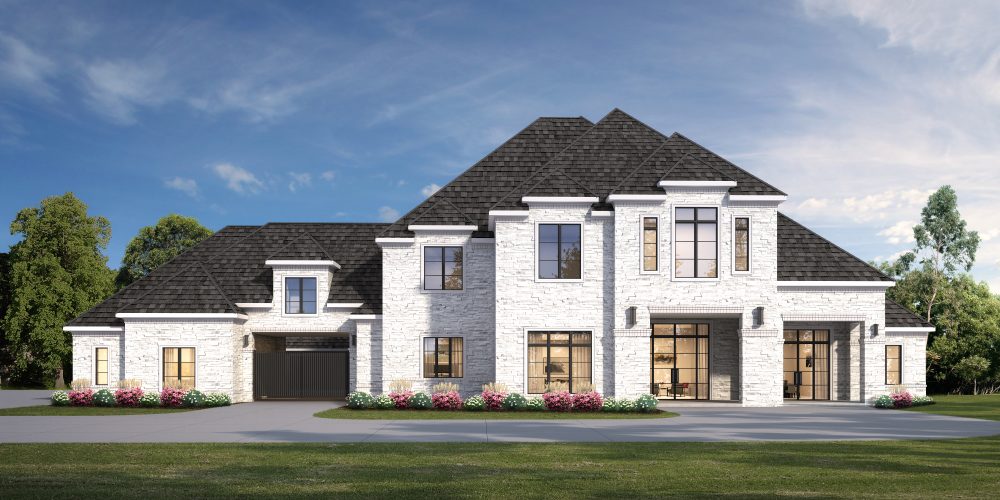
Essential Questions to Ask Before Hiring a Luxury Custom Home Builder
A custom home construction contract should clearly explain the responsibilities of the homeowner and builder, the scope of work, financial expectations, and procedures for handling changes. Asking detailed questions before signing helps prevent misunderstandings and creates a more transparent building experience.
1. What Is Included in the Custom Home Construction Contract?
A construction contract should identify exactly what the builder is responsible for delivering. This includes the approved plans, specifications, materials, finishes, and any services included in the agreed price.
Before signing, ask your builder to clarify:
- Architectural plans: Which drawings and specifications are included in the agreement?
- Interior finishes: Are flooring, cabinetry, countertops, fixtures, and appliances included in the quoted price?
- Site preparation: Does the contract account for grading, drainage, utilities, and foundation preparation?
- Landscaping: Are irrigation systems, exterior lighting, and outdoor improvements included?
- Allowances: Which selections have estimated budgets rather than fixed prices?
- Exclusions: What items will the homeowner need to purchase or arrange separately?
For luxury custom homes, allowances deserve particular attention. An allowance represents a budgeted amount for a product or service that has not been finalized. If the homeowner selects materials that exceed the allowance, the difference may increase the project cost.
Requesting a detailed list of inclusions, exclusions, and allowances makes it easier to understand what you are purchasing.
2. How Are Construction Costs, Payments, and Change Orders Handled?
Understanding how your builder manages money is essential before entering a construction agreement. The contract should explain the pricing structure, payment schedule, and process for approving additional expenses.
Custom home construction contracts commonly use fixed-price or cost-plus pricing arrangements.
With a fixed-price contract, the builder agrees to complete a defined scope of work for an established price, subject to contract terms and approved changes. A cost-plus contract generally requires the homeowner to pay documented construction costs along with an agreed builder fee.
Neither structure is automatically better for every project. The right choice depends on the design, scope, selections, and level of cost flexibility involved.
Ask how the builder handles:
- Payment milestones and construction draws
- Changes to architectural plans after construction begins
- Upgrades to materials or finishes
- Unexpected site conditions
- Documentation and approval of additional expenses
- Final payments and project closeout
Practical tip: Request that all change orders be documented in writing, including their cost and potential effect on the construction schedule, before the additional work begins.
3. What Is the Expected Construction Timeline, and What Could Cause Delays?
A custom home construction timeline should include realistic milestones and explain the circumstances that could affect completion.
Luxury homes often involve specialized materials, intricate architectural features, and custom craftsmanship. These elements require coordination among designers, suppliers, subcontractors, and construction professionals.
Before signing, ask about the anticipated schedule for major milestones such as foundation work, framing, mechanical installations, interior finishes, and final inspections.
It is also important to understand how the contract addresses delays caused by weather, material availability, homeowner-requested changes, or unforeseen site conditions.
Rather than relying on a verbal completion estimate, ask how the builder documents schedule updates and communicates changes throughout construction.
4. How Will Communication and Quality Control Be Managed?
Consistent communication is one of the most important parts of a successful custom home building experience. Homeowners should know who will manage their project and how construction decisions will be communicated.
Ask whether you will have a primary point of contact, how often progress updates are provided, and what opportunities exist for scheduled site visits.
You should also discuss how the builder evaluates workmanship, coordinates inspections, and addresses concerns discovered during construction.
A clearly defined communication process can make decisions easier, especially when homeowners must approve selections, review changes, or resolve unexpected issues.
For luxury custom homes, where numerous architectural and interior details must work together, careful coordination is particularly valuable.
5. What Warranties, Insurance, and Protections Are Included?
Before signing, homeowners should understand what protections apply during construction and after the home is completed.
Ask your builder to explain the insurance coverage required for the project, the warranties provided, and the procedures for reporting concerns after move-in.
Important questions include:
- What builder warranty coverage is included?
- Which manufacturer warranties apply to installed products?
- How are warranty requests submitted and addressed?
- What insurance must the builder and subcontractors maintain?
- What happens if a disagreement arises during construction?
- What documentation will be provided at project completion?
Homeowners should also review provisions concerning termination, dispute resolution, and responsibility for unexpected circumstances.
Because construction contracts create legal and financial obligations, having a qualified construction attorney review the agreement before signing can provide additional peace of mind.
Frequently Asked Questions About Custom Home Construction Contracts
Should I Hire an Attorney to Review a Custom Home Building Contract?
Having a construction attorney review your agreement is a sensible precaution, particularly for a substantial luxury home investment. An attorney can explain contractual obligations, identify potentially unfavorable provisions, and recommend appropriate clarifications.
Can I Make Changes After Signing a Custom Home Contract?
Most custom home construction agreements establish a process for requesting changes. However, modifications may increase costs or extend the construction timeline, so homeowners should understand the approval requirements before signing.
What Should I Do if Something Is Missing From the Construction Contract?
Ask the builder to clarify the missing information and incorporate any agreed terms into the written contract or its attachments. Important details should not depend solely on verbal conversations.
Is the Lowest Custom Home Construction Bid Always the Best Choice?
No. A lower bid may reflect differences in materials, allowances, construction specifications, or included services. Comparing detailed scopes of work provides a more meaningful evaluation than comparing prices alone.
Build Your Luxury Custom Home With Confidence
A successful custom home building experience begins with informed decisions and clear expectations. Taking the time to review your construction contract, ask detailed questions, and understand the building process helps create a strong foundation for your investment.
Ready to bring your dream home to life? Contact J. Lambert Custom Homes to discuss your vision and explore the possibilities of building a luxury custom residence designed around your lifestyle.