
Accessibility in Custom Home Design: Building Your Forever Home Today
Universal Design Principles: Creating Custom Homes That Work for Every Life Stage
When you build a custom home in the DFW area, you’re making a significant investment in your family’s future. But many homeowners make design decisions thinking only about their current needs, not considering how their home will serve them in five, ten, or twenty years. What if you could build a beautiful, luxury custom home that’s not only stunning today but also adaptable as your life changes? This is exactly what accessibility-focused custom home design delivers. At J. Lambert Custom Homes, we’ve spent over 30 years building luxury homes for families throughout North Texas, and we’ve learned that the best custom homes are those designed with universal design principles in mind. Accessibility in custom home design isn’t about ramps and grab bars—it’s about thoughtful planning that creates spaces functioning perfectly for everyone, regardless of age, ability, or mobility level. Whether you’re building a 2,500 square-foot one-story home or a 40,000 square-foot estate, incorporating accessible design principles costs far less than retrofitting later and creates homes that work beautifully for your family at every life stage. This guide explores why accessibility matters in custom home design and how to integrate these principles seamlessly into your luxury home.
1. What Is Universal Design and Why It Matters
Universal design isn’t a style or aesthetic—it’s a thoughtful approach to home design that benefits everyone.
Beyond Accessibility: Universal design creates homes that are usable and beautiful for people of all ages and abilities. It’s not about accommodating disabilities specifically; it’s about designing homes that work better for everyone. Wide hallways help parents with strollers as much as they help individuals using walkers. Lever-style door handles work for children as much as they work for seniors with arthritic hands.
The Statistics: According to CDC data, approximately 87% of Americans will experience accessibility-related issues in their lifetime—whether temporary injuries, aging, or developmental changes. Building with universal design means your custom home works for you, your family, and your guests across all these life stages.
Cost-Effective from Day One: When built into the initial custom home design, accessibility features add minimal expense compared to traditional design. This is significantly more economical than retrofitting an existing home, which is costly and never achieves the same seamless integration.
2. Key Accessibility Features for Custom Homes
The best accessible custom homes incorporate these features as integral design elements.
Entries and Movement: At least one step-free entry into your home ensures accessibility from the start. Wide doorways (36 inches minimum) and hallways (42 inches minimum) make movement easy and make spaces feel more spacious. Open floor plans with minimal steps let everyone navigate comfortably.
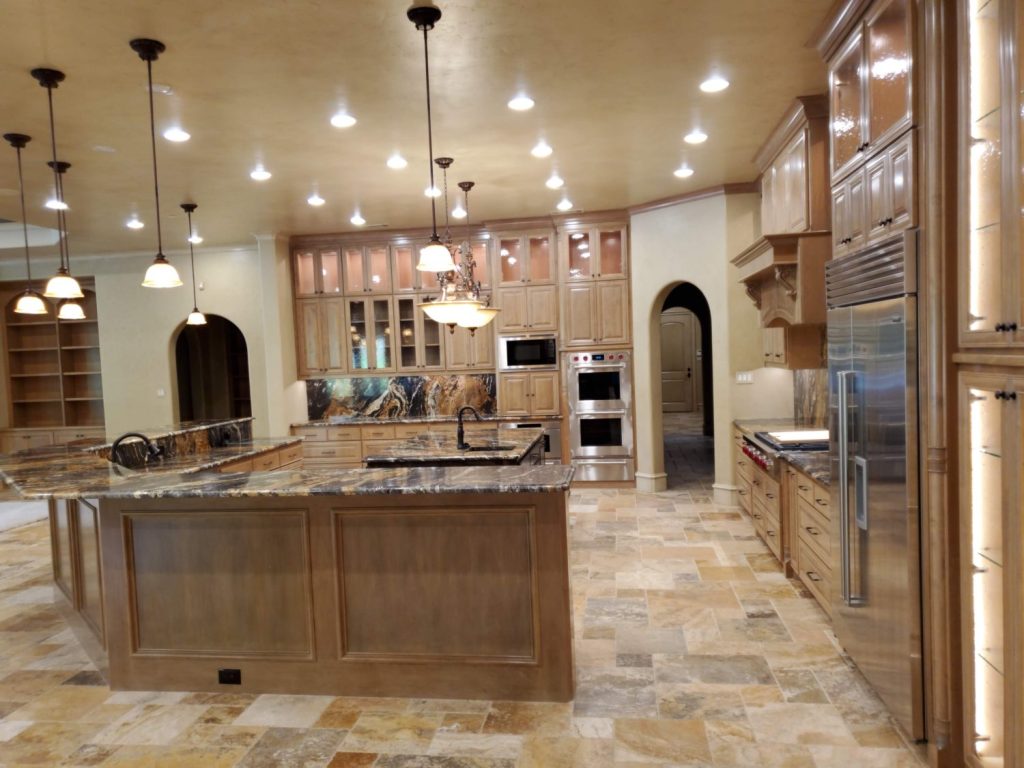
Bathrooms and Kitchens: These are critical areas where accessibility matters most. Curbless showers are beautiful and accessible. Bathrooms designed with room for future grab bars (blocked-in walls) anticipate changing needs. In kitchens, varying counter heights accommodate standing and seated prep work. Front-mounted controls on cooktops make them easier to use for everyone.
Lighting and Visibility: Smart lighting reduces falls and makes navigation easier. Light switches placed at 42-48 inches high, electrical outlets at 18-24 inches, and thermostats at 48 inches maximum ensure everyone can reach controls. Proper contrast between walls and trim helps with wayfinding.
Flexible Spaces: Designing a flex room on the main floor that could serve as a bedroom when needed provides options for aging in place. Thoughtful closet design and easily accessible storage reduce clutter and improve safety.
3. Planning Ahead: The Aging-in-Place Advantage
Building accessibility into your custom home from the start means you may never need to move.
Staying Independent: More than three-quarters of adults want to age in their homes. Research shows they live healthier, happier lives when they can do so. A thoughtfully designed custom home lets you remain independent as your needs change.
Multigenerational Living: Many North Texas families are building homes designed to accommodate aging parents or adult children. Universal design principles make these arrangements comfortable for everyone, with accessible bedrooms and bathrooms on main floors, open layouts for easy caregiving, and private spaces.
Maintaining Your Investment: A universally designed custom home maintains its value and appeal across generations. Future buyers—whether young families or active seniors—will appreciate features that work for everyone.
4. Working with Your Custom Home Builder
Accessibility-focused design requires expertise and intentional planning.
Early-Stage Planning: The best time to incorporate accessibility is during the design phase. This is when your custom home builder can integrate features seamlessly rather than adding them later as modifications.
Professional Guidance: At J. Lambert Custom Homes, Jimmy Lambert is personally involved in every home’s design, working with architects and clients to ensure accessibility is thoughtfully integrated. Our 30+ years of custom home experience means we understand how to blend luxury design with practical accessibility.
No Compromise on Aesthetics: Accessible custom homes are stunningly beautiful. Universal design features are “invisible” to casual observers—they’re just smart design that makes everyone’s life easier while maintaining the luxury aesthetic you expect.
Ready to Build Your Forever Home With Accessibility in Mind?
Your custom home should be beautiful, luxurious, and designed to serve your family for decades. J. Lambert Custom Homes specializes in creating luxury custom homes throughout Southlake, Fort Worth, and the DFW area that seamlessly integrate accessibility and universal design principles. From initial planning through completion, we ensure your home works beautifully for your family at every life stage.
Whether you’re building a one-story luxury home, a sprawling estate, or anything in between, let’s discuss how accessibility-focused design can enhance your custom home. Contact Jimmy Lambert directly to explore how we can build your dream home with the insight and care it deserves.
Ready to start building your forever home? Contact J. Lambert Custom Homes today. Call us to discuss your vision for an accessible, luxurious custom home. Your dream home awaits.